September Is Mold Awareness Month: What Every Homeowner Should Know
Mold Awareness Month falls every September, a dedicated stretch to focus on how mold gets into a home and what it does once it’s there. For Minnesota homeowners, the timing lines up with the tail end of summer humidity, when basements and crawl spaces have had months to accumulate moisture before anyone notices a smell or a stain. This piece covers what mold exposure can do to your health, the signs worth checking for, and why staying ahead of moisture is the real safeguard against it.
What Mold Can Do to Your Health
The CDC links mold exposure to a stuffy nose, sore throat, coughing or wheezing, burning eyes, and skin rashes, and those reactions tend to be worse for anyone with asthma or a mold allergy. People who are immune-compromised or have chronic lung disease can develop lung infections from mold exposure. The CDC also cites research connecting indoor mold to upper respiratory symptoms, coughing, and wheezing in people with no prior health conditions at all, along with worsened asthma symptoms in people who already have it.
None of that requires a major infestation to show up. A small patch of mold growing behind drywall or under a floor joist can affect indoor air quality just as much as something visible, since spores don’t stay contained to where they started. That’s why the moisture feeding mold matters as much as the mold itself. Address the humidity or water intrusion behind it, and the growing conditions go with it.
Signs of Mold in Your Home
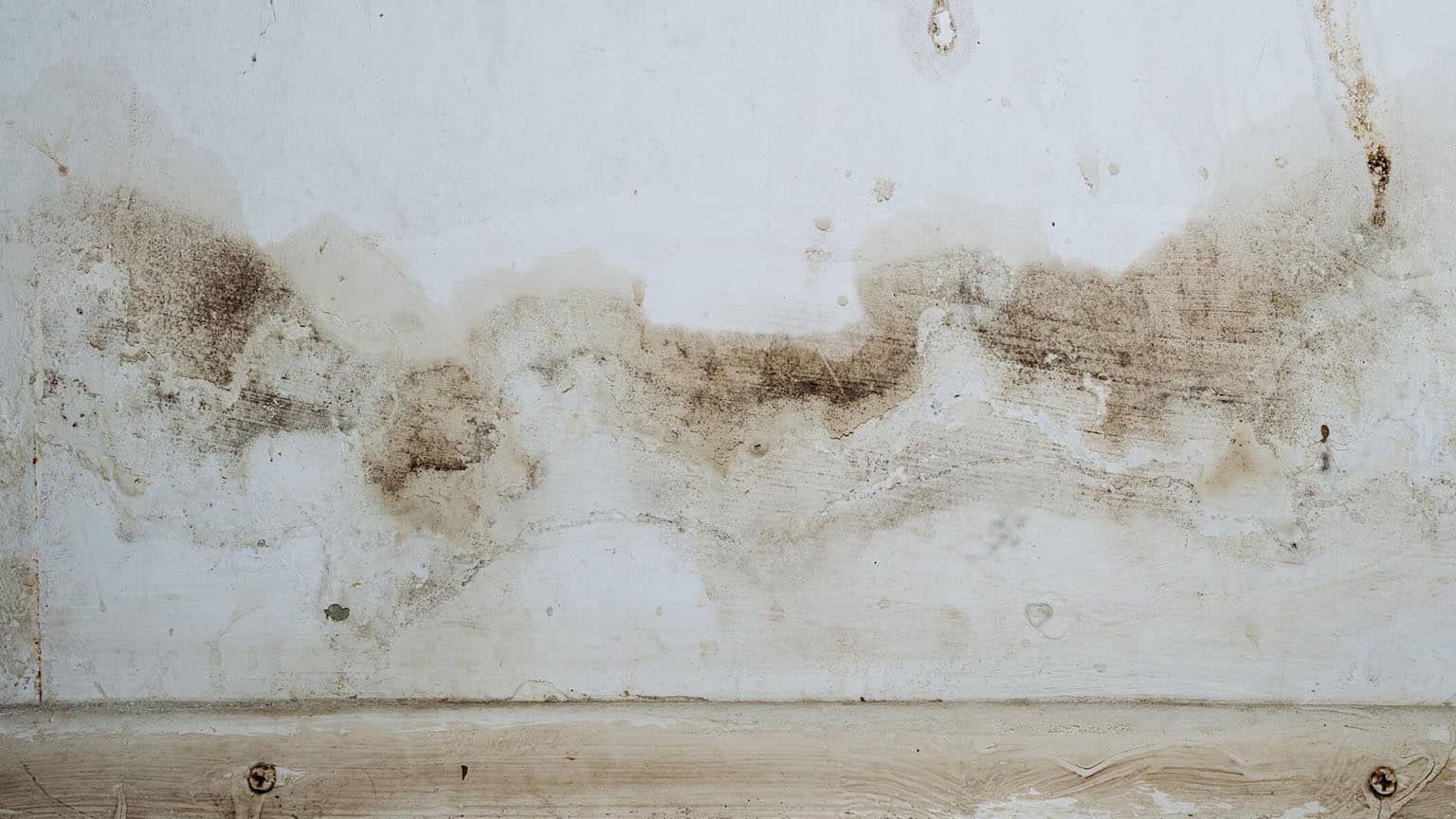
A musty, earthy odor that lingers regardless of cleaning is often the first sign something’s wrong. It can show up well before any visible growth does. Staining on drywall, subfloor, or framing is worth investigating even in small amounts, whether it’s dark specks or a lighter discoloration. Allergy symptoms that fade when away from home and return once back inside point toward the house itself as the source.
Below-grade spaces like basements and crawl spaces hold moisture longer than the rest of a home. They sit closer to the surrounding soil and get the least airflow. Humidity can climb in those spaces for months without producing a smell or a stain anyone notices upstairs. Checking a basement or crawl space directly catches the problem while it’s still small, before any sign travels through the rest of the house.
What Old Leaks Leave Behind
A leak, a flood, or any other water intrusion from the past deserves a second look, even if the original repair seemed complete. The EPA recommends drying water-damaged materials within 24 to 48 hours to prevent mold growth, and insulation and drywall are two of the materials most likely to miss that window. Insulation can hold moisture for a long time without showing it on the surface, and drywall that stayed damp even briefly can develop mold behind the wall where it isn’t visible. Fixing the source of the leak doesn’t guarantee the materials around it dried out in time.
Humidity Creates the Conditions Mold Needs
Mold needs moisture, and humidity in the air counts as moisture just as much as a flood or a leak does. When humidity stays high in a space with poor airflow, that alone can create the conditions mold needs, without any water event required. The EPA recommends keeping indoor humidity below 60 percent, ideally between 30 and 50 percent, to keep conditions from favoring mold growth.
Basements and crawl spaces run into this more than the rest of a home. Both sit below grade, closer to the moisture already present in the surrounding soil, and both typically get less airflow than the living space above. A crawl space with exposed dirt or an unsealed foundation wall lets that ground moisture move directly into the air underneath the house, where humidity can climb well past the EPA’s recommended range without anyone noticing until a smell or a stain shows up somewhere else.
How SafeBasements Helps Keep Mold Out
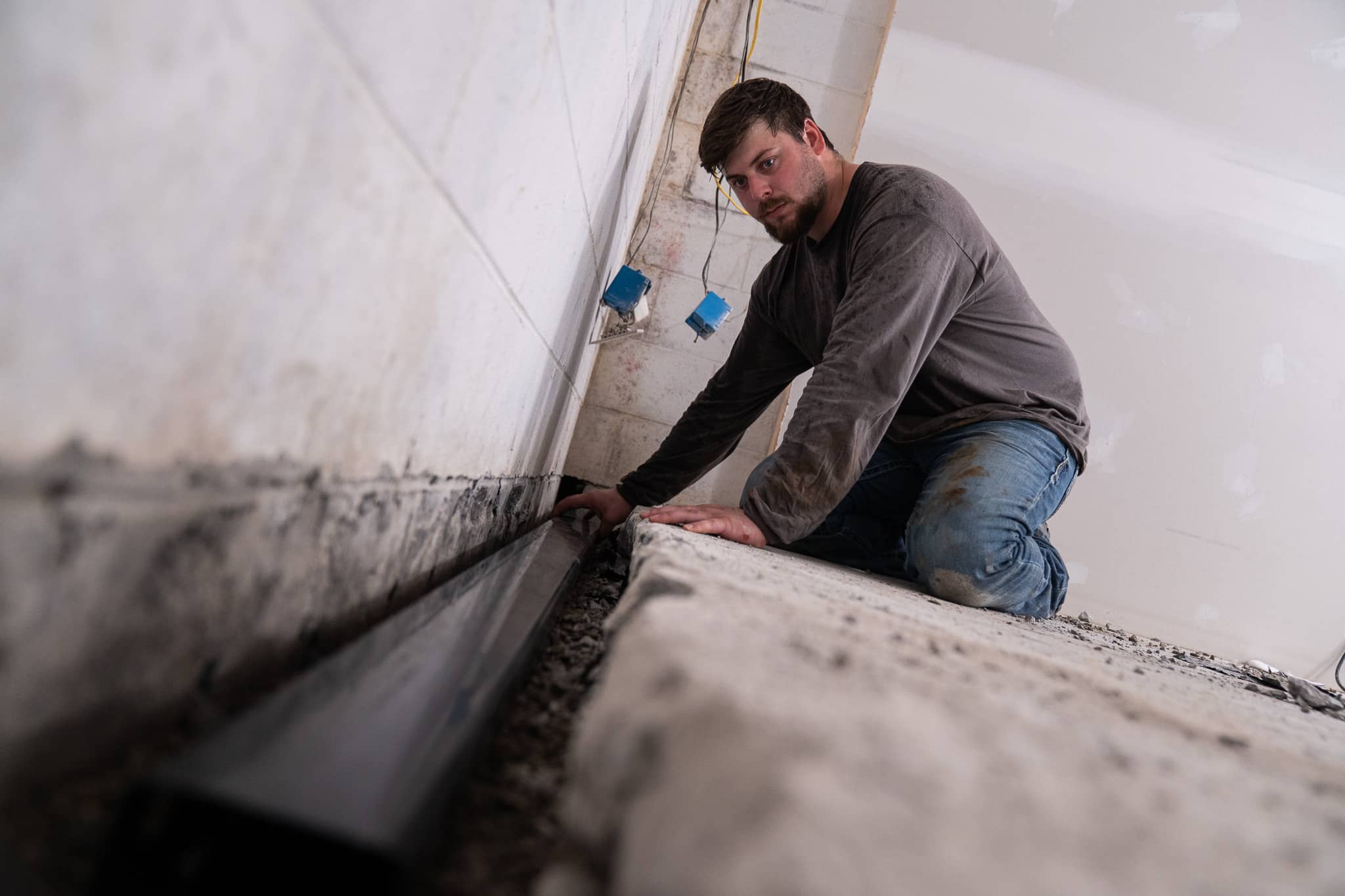
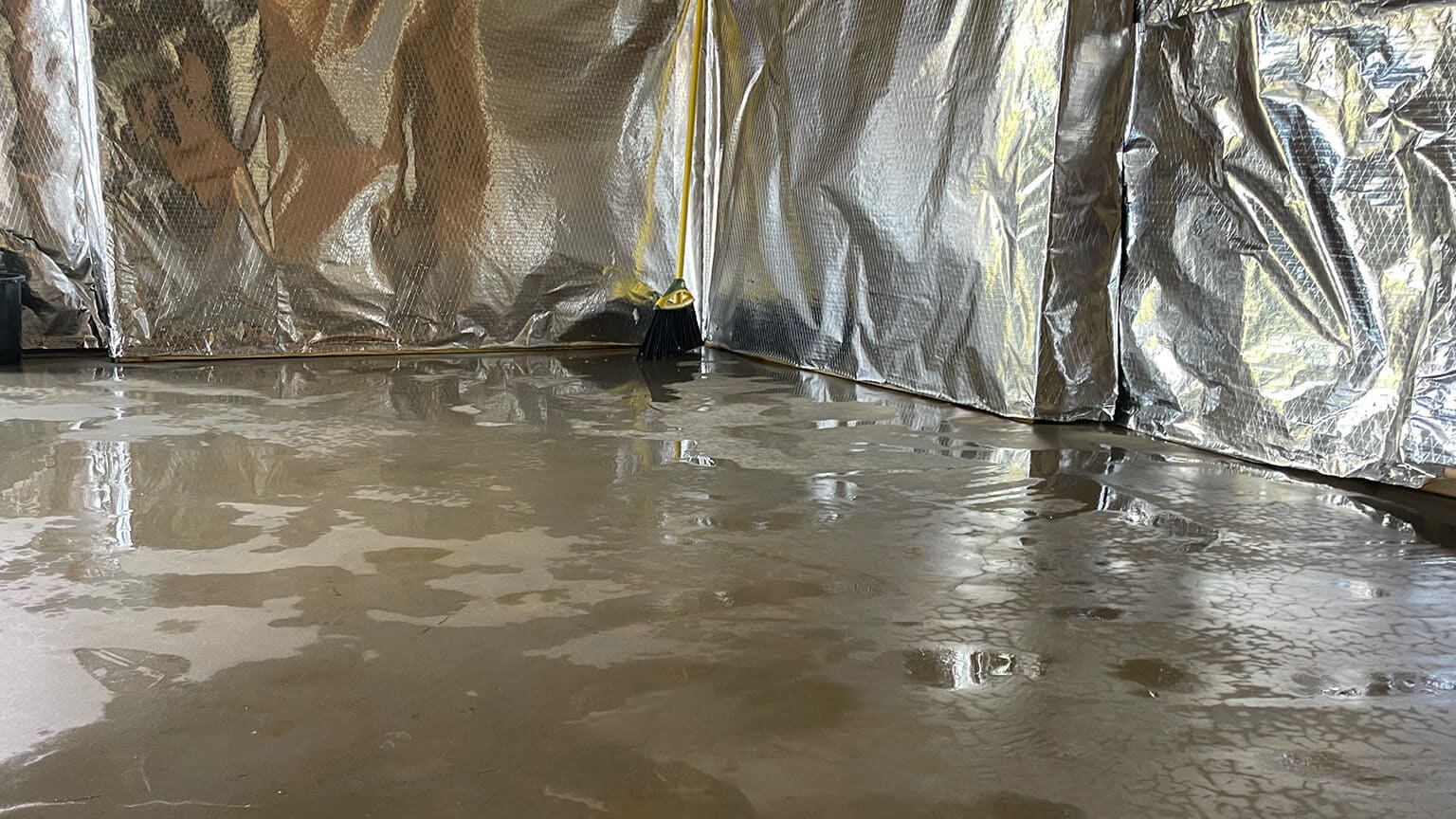
SafeBasements addresses the moisture itself, before mold has a chance to grow. Interior drain tile collects water along the base of a basement wall and routes it to a sump pump, keeping groundwater from building up behind the wall in the first place. For crawl spaces, encapsulation seals the ground and walls with a durable liner, cutting off the ground moisture that would otherwise raise humidity in the space underneath the home.
Both approaches target the same problem from different directions: keep water and humidity from accumulating, and the conditions mold needs never show up. A basement or crawl space that stays dry and properly ventilated doesn’t need mold removed from it later.
Schedule a Free Estimate
Mold doesn’t show up on its own. It follows moisture that’s already been sitting in a basement or crawl space, often for longer than anyone realizes. If a musty smell, a stain, or allergy symptoms that ease up away from home have you wondering what’s underneath your house, a free on-site estimate is the way to find out.
SafeBasements has served Minnesota, North Dakota, South Dakota, and Wisconsin homeowners for over 35 years, with interior waterproofing and crawl space encapsulation systems backed by a Lifetime Transferable Warranty. Schedule your free estimate and get a straight answer on what’s happening in your home.