Frost Heave Damage Throughout Your Property
Minnesota winters drive frost deep into the ground. The freeze starts in November and in most years doesn’t fully release until April, with the ground in northern parts of the state staying frozen well into spring. That frozen ground isn’t static. It expands as it freezes and shifts as it thaws, and anything sitting on or in that ground moves with it. By the time the thaw is done, the evidence is already there. Most homeowners just don’t know what they’re looking at.
Frost heave happens when water in the soil freezes and expands, pushing upward against whatever is above it. It affects concrete slabs, foundation walls, and anything else in contact with the ground. The damage shows up gradually, which is why it tends to accumulate for several seasons before anyone pays close attention to it.
Signs of Frost Heave Damage Outside Your Home
The outdoor signs are usually the first thing homeowners notice after the ground thaws. Concrete and masonry sit directly on or in the soil, which means they register frost movement more immediately than anything else on the property. What to look for:
- Concrete slabs that have lifted, tilted, or no longer sit flush with adjacent surfaces
- Gaps that have opened between a porch, stoop, or garage floor and the main foundation
- Sidewalk or driveway sections that have shifted out of alignment
These things happen gradually, which is why they tend to get attributed to age or normal wear rather than the freeze and thaw cycle that caused them. If they look worse than they did last spring, the ground is still telling you something.
Signs of Frost Heave Damage Inside Your Home
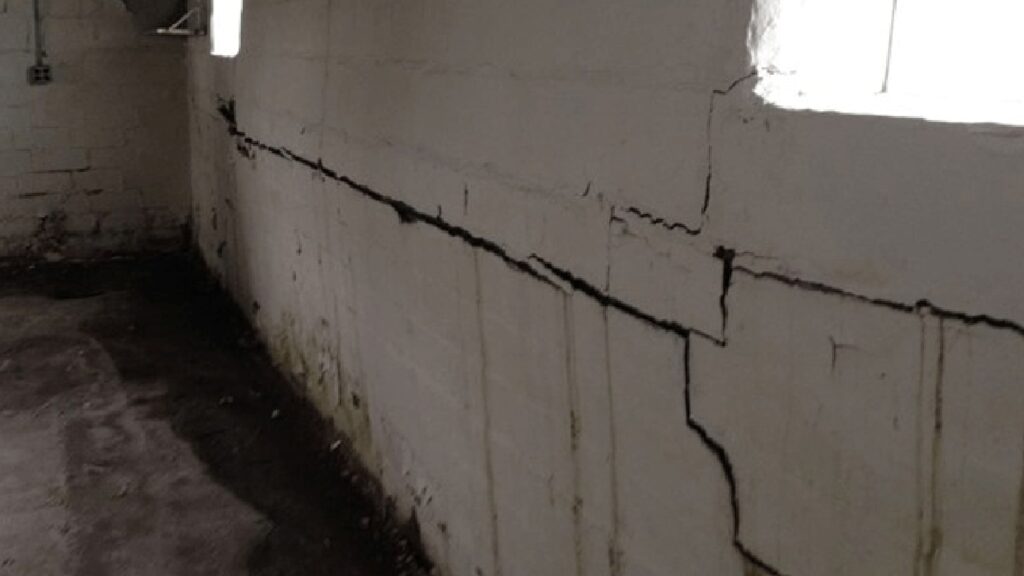
Inside the home the signs are subtler and easier to rationalize away. They show up in the same places foundation movement always does, just with a seasonal pattern that points to frost as the cause:
- Doors or windows that stuck through winter and haven’t loosened up as temperatures rose
- Hairline cracks at the corners of door and window frames
- Floors with a slight dip or soft spot that wasn’t there a few years ago
A single sign in one location may reflect years of normal frost activity. Signs appearing in multiple places, or signs that are visibly worse than the previous spring, point to movement that is still progressing.
Why Spring Is the Right Time to Look
The window between snowmelt and the start of summer is when frost heave damage is most visible. The ground has finished its movement for the season, the evidence is fresh, and there is time to address anything significant before next winter’s freeze cycle begins again. Waiting through summer doesn’t make the signs easier to read. It just adds another season of movement to whatever is already there.
The Real Cost of Waiting
The early signs of frost heave damage are also the cheapest point to address them. A minor issue caught early is a different repair than the same problem after several more freeze and thaw cycles have worked through the foundation. The damage doesn’t hold still while a homeowner weighs the decision. It compounds.
Frost heave runs on the same cycle every year. A foundation dealing with one symptom in spring one is often dealing with several by spring three or four because the same conditions kept running. More of the structure gets involved the longer the movement continues unchecked.
Schedule a Free Foundation Inspection
The only way to know whether what you’re seeing is cosmetic or structural is to have it inspected. SafeBasements has been inspecting and repairing foundations across Minnesota, North Dakota, South Dakota, and Wisconsin for over 35 years. Inspections are free, there’s no obligation afterward, and you’ll leave with a clear picture of what’s happening and what, if anything, needs to be done.