Quick Summary
- Snowmelt delivers water slowly over weeks into ground that is already compromised from months of freeze-thaw cycles, creating sustained pressure that a single rainstorm doesn’t
- Flat terrain across Minnesota, North Dakota, South Dakota, and Wisconsin means meltwater has nowhere to run, putting drain tile systems under prolonged load
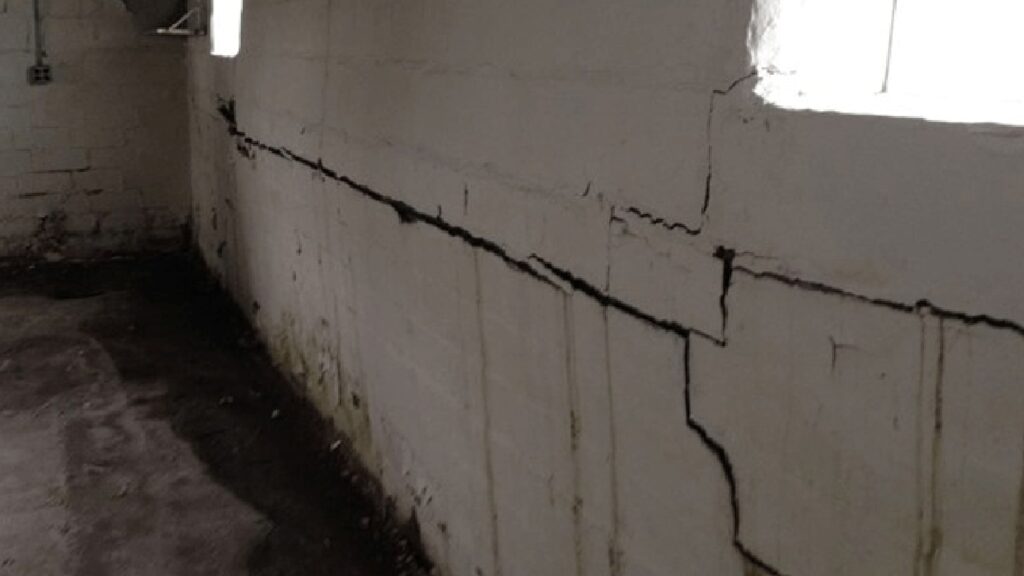
- Block walls are especially vulnerable to freeze-thaw pressure, which opens horizontal and stair-step cracks over a full winter
- A sump pump still cycling frequently on dry days in spring is a sign the system is working harder than it should be
- The evidence of what snowmelt did to your basement is most visible now, while the soil is still wet, and fades as the ground dries out in late spring
- SafeBasements offers free estimates across the Upper Midwest and can tell you whether what you found this spring needs attention before next winter
Spring Snowmelt and Your Basement: What Upper Midwest Homeowners Should Check Right Now
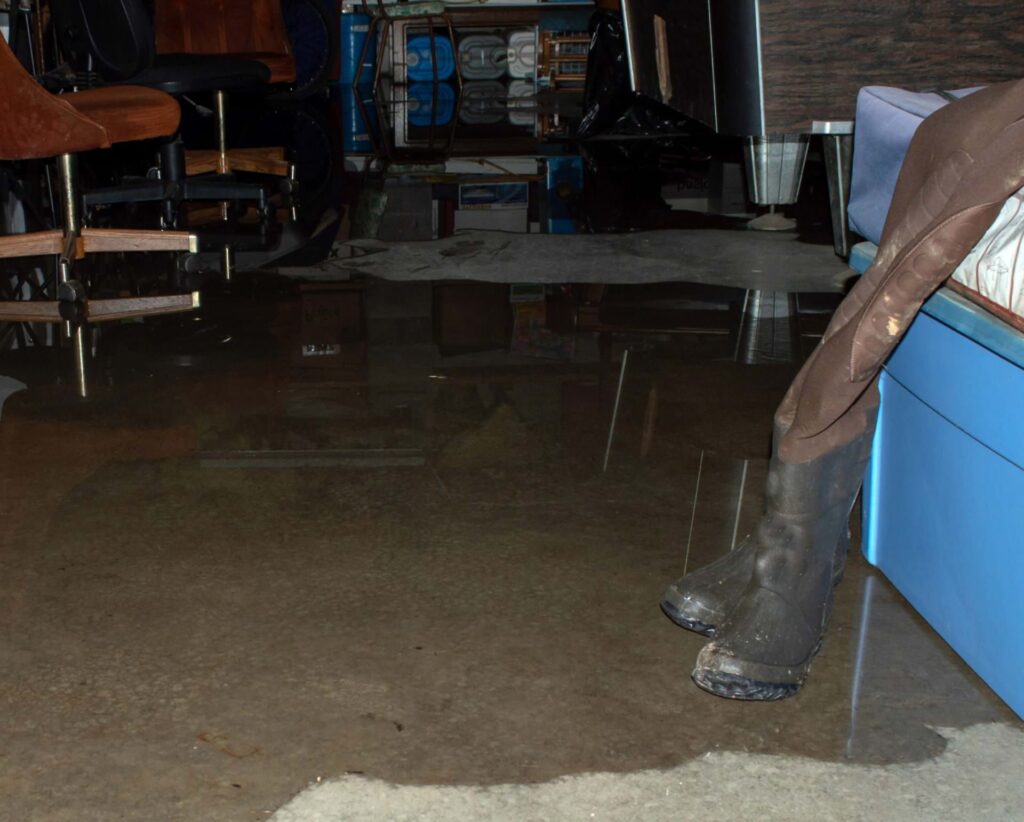
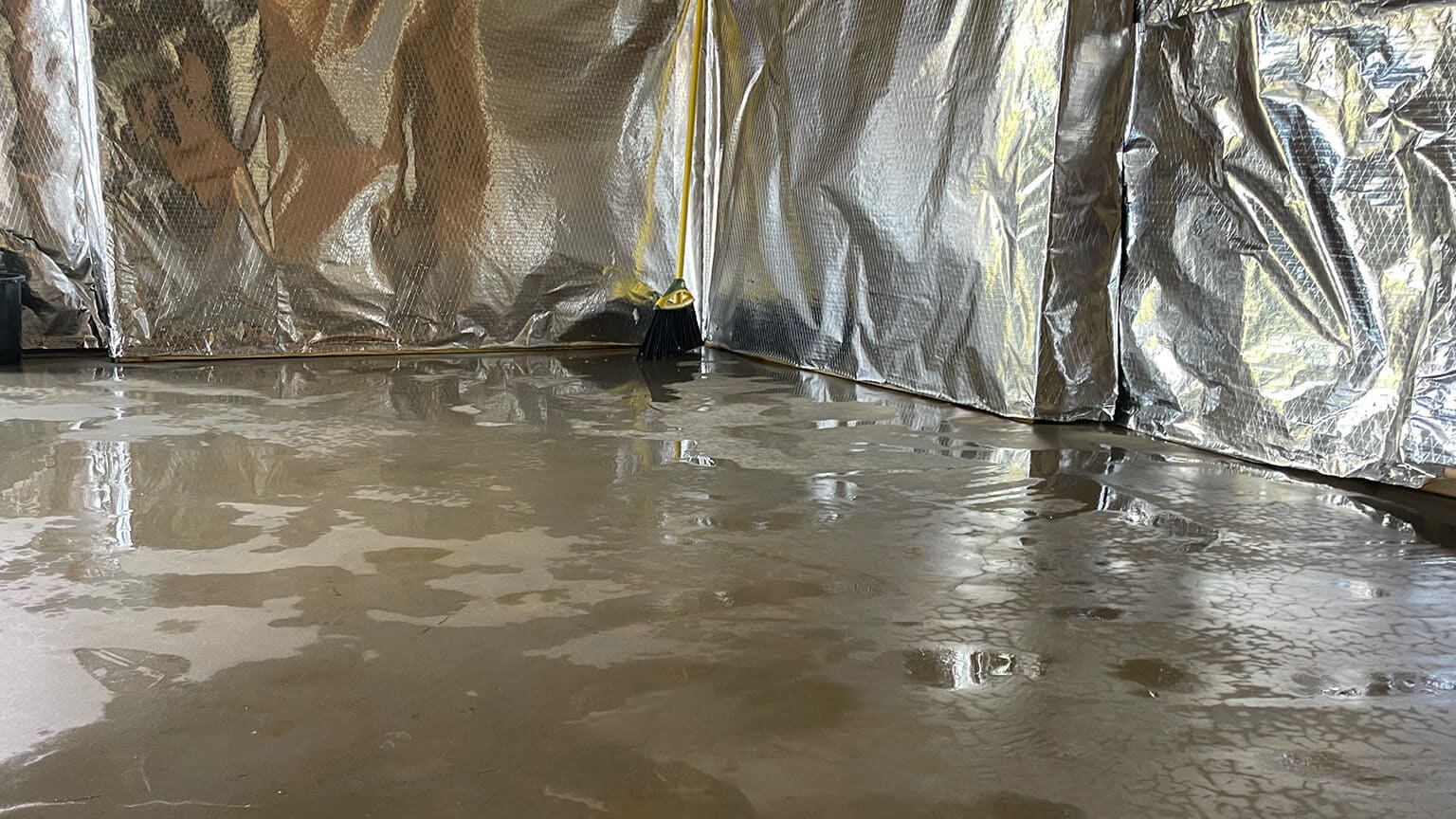
It hasn’t rained in days. The sun is out, the snow is gone, and you head down to the basement to grab something out of storage. There’s water on the floor. Or a wet patch along the wall that you don’t remember seeing before. No storm, no obvious event, nothing that explains it. That’s how snowmelt problems tend to announce themselves, quietly and after the fact, with no radar to blame and no clear timeline for when it started.
Spring is the season when a winter’s worth of accumulated soil pressure, freeze-thaw damage, and sustained ground saturation makes itself known. If your basement is showing you something new right now, here’s what to look for and what it means.
Why Snowmelt Puts Different Pressure on Your Basement Than Rain
A heavy rainstorm is an acute event. It hits hard, the sump pump runs, and within a day or two the soil around your foundation starts to dry out. Snowmelt works on a different timeline. Across the Upper Midwest, a winter’s worth of accumulated snow can take weeks to fully release, and the water it delivers goes into ground that has been frozen solid for months. That soil doesn’t absorb water the way it does in October. The frost is still working its way out of the ground while the surface is already wet, which means meltwater has nowhere to go and ends up sitting against your foundation walls for an extended stretch.
The freeze-thaw cycles that run through a Minnesota or North Dakota winter compound the problem before the melt even begins. Every time the ground freezes, moisture in the soil expands. Every time it thaws, the soil contracts and shifts slightly. Over a full winter that process repeats dozens of times, breaking down the compaction around your foundation and opening small gaps in the soil that water moves into readily. By the time April arrives and the snowpack releases, the ground is already compromised. The sustained saturation that follows is what pushes water through cracks and joints that stayed dry all winter.
What an Upper Midwest Winter Does to Foundation Walls
The frost line in Minnesota runs deep, often four feet or more in a hard winter, and in North Dakota it can go deeper still. That means the soil pressing against your foundation walls freezes in a thick layer, expands, and then contracts again as it thaws. For block walls, which are common in older homes across the region, that repeated movement is hard on the mortar joints. For poured concrete, the vulnerable spots are corners, window openings, and cold joints where separate pours meet. Here’s what to look for after a hard winter:
- Horizontal cracks in block walls, which indicate lateral soil pressure has pushed against the wall from outside and the wall has flexed in response
- Stair-step cracks running along mortar joints in block walls, which typically point to settlement or soil movement rather than direct pressure
- Vertical cracks in poured concrete walls, particularly at corners and around window openings where stress concentrates
- Cracks at cold joints in poured walls, where two separate pours meet and water finds entry points most readily
- Any crack that looks wider or longer than it did last fall, regardless of type
If anything on that list is present, note it and photograph it. What matters in spring is whether it’s new or whether it’s grown, and the only way to know that next year is to have a record from this one.
Schedule a free estimate with SafeBasements
How Flat Terrain Makes Snowmelt Harder on Upper Midwest Basements
Much of the Upper Midwest is flat. That’s not a complaint, it’s a drainage problem. In hillier regions, snowmelt runs off. Across large stretches of Minnesota, North Dakota, and South Dakota, it has nowhere to go but down. Water pools in yards, collects along foundations, and saturates the soil from the surface while groundwater is rising from below. A basement caught between those two sources of water is under pressure from both directions at once.
Drain tile systems are designed to handle exactly this situation, intercepting water at the base of the foundation and routing it to a sump pit before it can push through the wall or floor. During a rainstorm that system runs hard for a few hours and then gets a break. During snowmelt it may run steadily for days or weeks, and a system that was adequate for storm events can fall behind when the ground stays saturated for an extended stretch. If your sump pump has been running more than usual this spring, that’s the reason.
Flat lots also tend to develop drainage problems gradually as grading settles over time. A yard that sloped away from the house when it was built may have shifted enough over the years to direct water toward the foundation instead. That change happens slowly and often goes unnoticed until a wet spring makes it obvious.
What to Do With What You Find
Finding something in your basement this spring doesn’t automatically mean you have a serious problem. A wall that shows minor cracking and no movement is different from a wall that has visibly shifted. A sump pump that ran hard through March and is now quiet on dry days handled the load. One that is still cycling frequently when the ground should be drying out is telling you the system is working harder than it should be.
The useful question isn’t whether something looks wrong. It’s whether what you’re seeing is new, whether it has gotten worse since last spring, and whether your drainage system kept up with the sustained load that an Upper Midwest melt season puts on it. Those are questions that a free estimate from SafeBasements can answer. Their team has been assessing basements across Minnesota, North Dakota, South Dakota, and Wisconsin for over 35 years and can tell you whether what you found this spring is something to monitor or something to address before next winter starts the cycle again.
Get a Free Basement Assessment Before the Ground Dries Out
The evidence of what snowmelt did to your basement is most visible right now, while the soil is still wet and the signs are fresh. Once the ground dries out in late spring, some of what the winter left behind becomes harder to read.
SafeBasements offers free estimates across Minnesota, North Dakota, South Dakota, and Wisconsin. Schedule a free estimate with SafeBasements and find out what this winter left behind before next season begins.