Before the Next Storm Hits: How to Know If Your Basement Can Handle It
The radar is already showing it. A line of storms is pushing through, and sometime tonight or tomorrow the rain is going to come down hard. Maybe you’ve been through this before and the basement was fine. Maybe you’ve been through it before and it wasn’t. Either way, there’s that familiar feeling before a big storm: you’re not entirely sure what you’re going to find at the bottom of the stairs when it’s over.
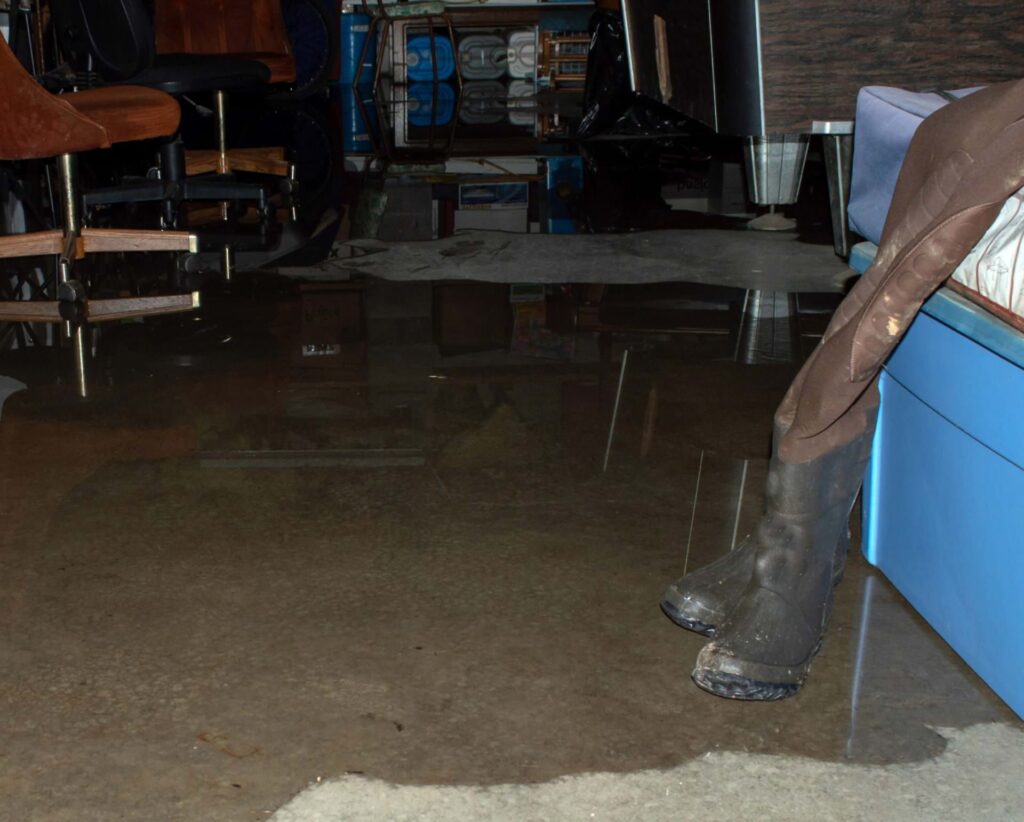
That uncertainty is worth paying attention to. A basement or crawl space that handled last spring’s storms isn’t automatically ready for this one. Conditions change. A small crack that was dry in March can start seeping when the ground is already saturated from two weeks of rain. A sump pump that ran fine last year is a year older now and hasn’t been tested since. The warning signs are often already there. They just don’t announce themselves until three inches fall in two hours and the water has nowhere else to go.
This is a walkthrough for homeowners who want to know, before the storm arrives, whether their basement and crawl space are actually ready for it.
What Heavy Rain Actually Does Underground
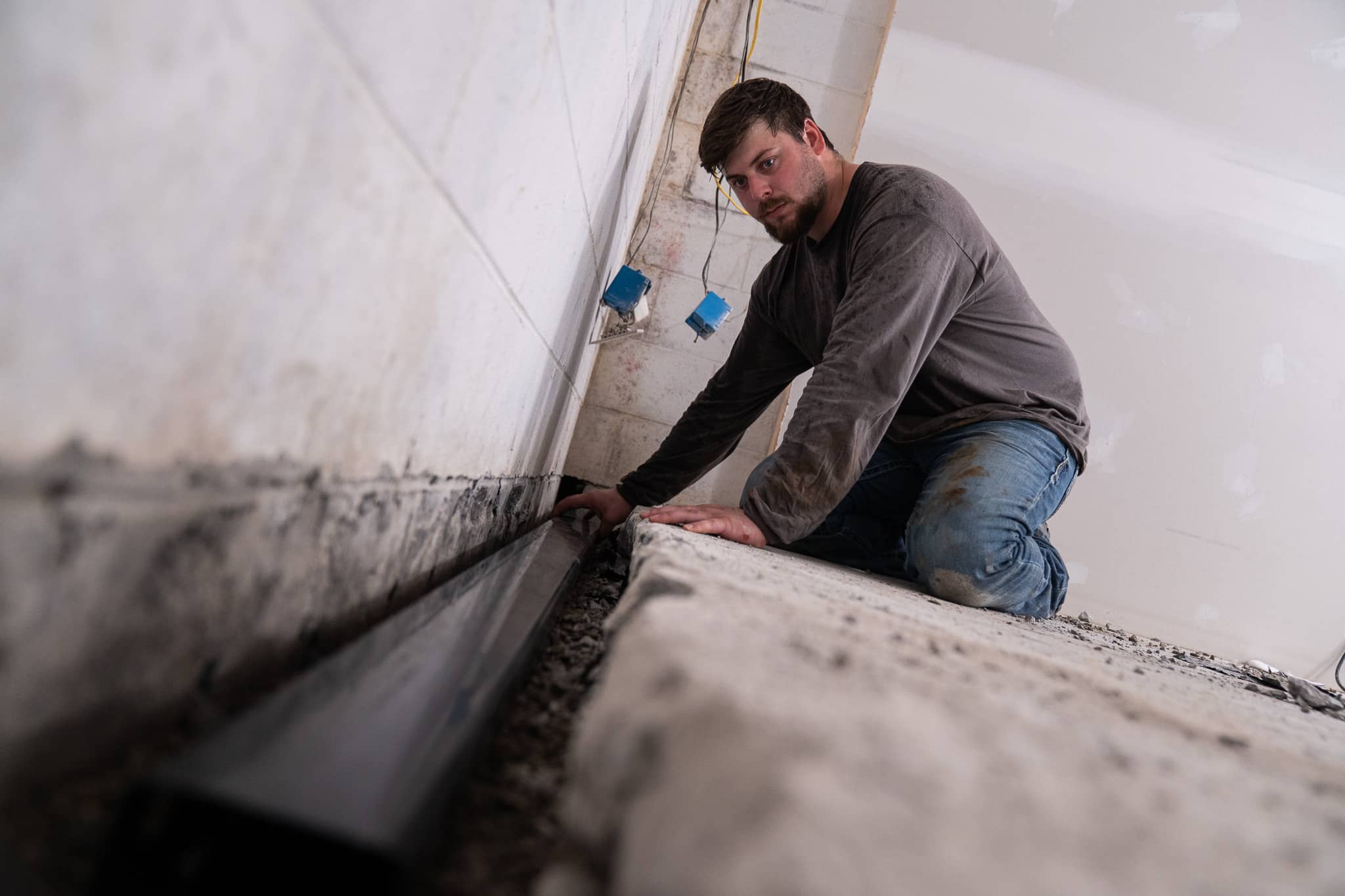
When a heavy storm drops two or three inches of rain in a short window, the soil surrounding your foundation becomes saturated fast. Once the ground can’t absorb any more, water starts moving laterally, pressing against your basement walls from every direction. That pressure, called hydrostatic pressure, will find any path of least resistance it can: a hairline crack, a cold joint where the wall meets the floor, a gap around a pipe penetration.
The problem compounds when the storm overwhelms surface drainage at the same time. Gutters that are partially clogged dump water close to the foundation instead of carrying it away. Downspouts that discharge too near the house send runoff straight into the soil at the worst possible location. Grading that has settled over the years may no longer slope away from the foundation the way it once did. All of that water ends up concentrated right where you don’t want it, pressing against walls from outside while your drainage system tries to keep up from inside.
Crawl spaces face the same outside pressure, but they also have an additional vulnerability. Because they’re low, open, and often vented, they tend to collect water that migrates in from the surrounding ground during heavy rain. A crawl space without a proper liner or drainage system can accumulate standing water quickly, and that water doesn’t evaporate easily once the storm passes.
The Pre-Storm Basement Checklist
A few minutes in the basement before a major storm can tell you a lot about what you’re walking into. Most of the things worth checking don’t require any tools or technical knowledge. You’re looking for evidence of what’s already happened and signs that your drainage systems are in working order. Here’s what to go through before the rain arrives.
Check your sump pump first. Pour a bucket of water into the pit and watch it cycle. The pump should kick on quickly, clear the water, and shut off cleanly. If it hesitates, runs continuously, or doesn’t turn on at all, that’s a problem you want to know about now rather than at midnight during a storm.
- Test the sump pump by pouring water directly into the pit
- Confirm the discharge line is clear and draining well away from the foundation
- Check that the battery backup is charged and functional
- Look for visible cracks along the walls, particularly horizontal ones or cracks that have widened since you last noticed them
- Check the floor along the base of the walls for efflorescence, staining, or any soft or damp spots
- Inspect window wells for standing water, debris buildup, or missing covers
- Note any water stains on the walls or floor from previous events, even if they’re dry now
Those stains from last spring’s storms aren’t just cosmetic. They’re a map of where water got in before and where it’s likely to get in again.
Don’t Forget the Crawl Space
Crawl spaces tend to get overlooked before a storm, and it’s easy to understand why. They’re low, uncomfortable to get into, and if nothing has obviously gone wrong yet, they don’t feel urgent. But the crawl space is frequently where water problems show up first, and by the time they’re visible from inside the house, they’ve usually been developing for a while.
Before a major storm, there are a few specific things worth checking down there. You’re looking for signs that the space is already compromised and for conditions that will make heavy rain worse.
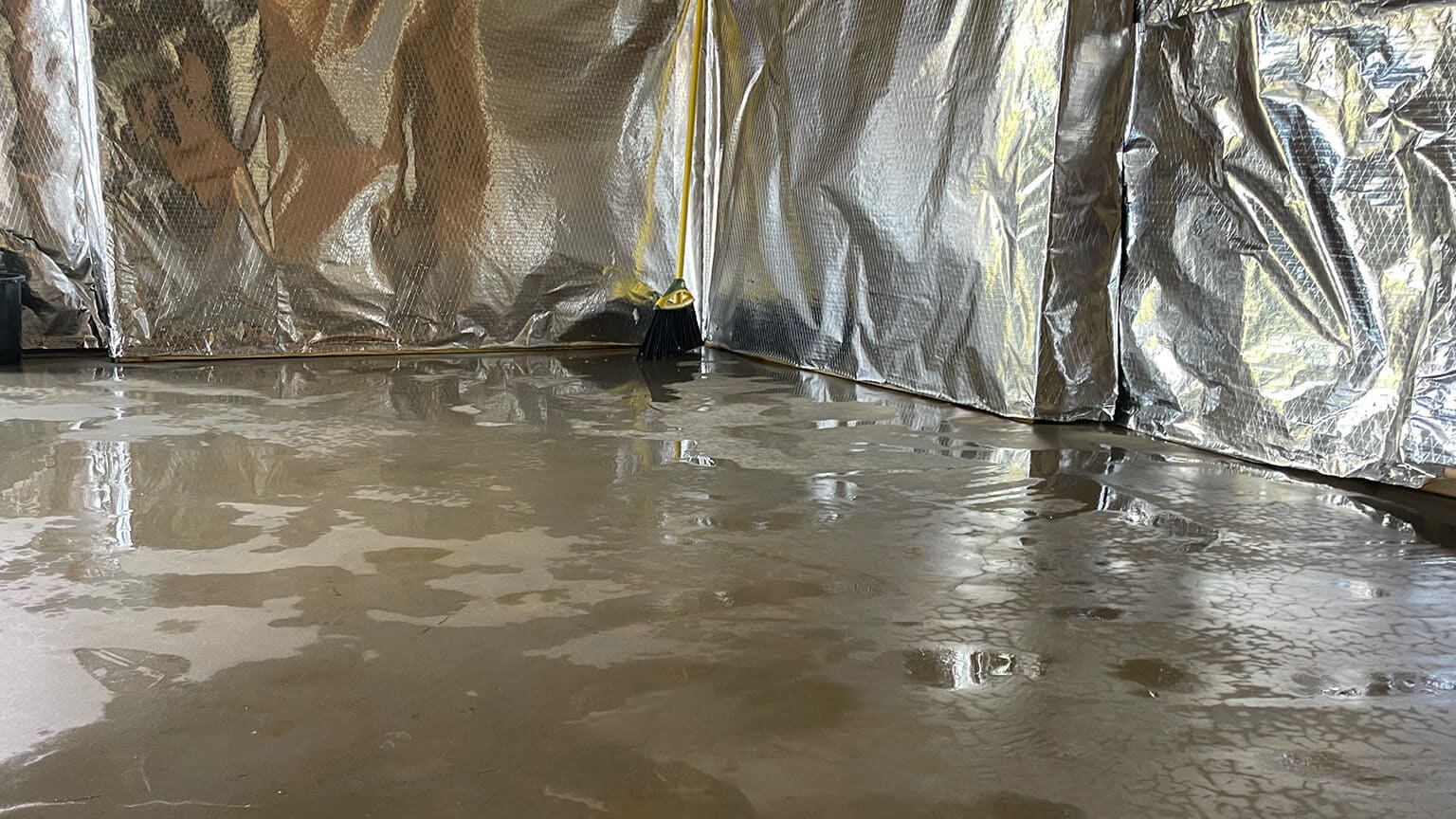
- Check the vapor barrier or encapsulation liner for tears, gaps, or areas where it’s pulled away from the walls
- Look for any standing water or damp soil, even in small patches, which signals that drainage is already inadequate
- Inspect the perimeter where the liner meets the foundation walls for separation or pooling
- Look for visible mold or dark staining on the floor joists above, which indicates moisture has been sitting long enough to cause damage
- If your crawl space has a sump pump, test it the same way you would the basement unit
- Check any vents for blockages or damage that could let water-laden air push in during the storm
A crawl space with a torn liner and no drainage going into a heavy storm is going to collect water. That water sits against the wood structure above it, raises the humidity throughout the house, and creates conditions that are expensive to fix after the fact.
What These Warning Signs Actually Mean
Finding something on that checklist isn’t just a box to note and move on from. Each of those signs points to something specific about how your basement or crawl space is managing water, and some of them are more urgent than others.
Efflorescence on the walls, those white chalky deposits that look like a mineral residue, means water has been moving through the concrete or block and evaporating on the surface. The water is gone but the path it used is still there. A storm that pushes harder than the last one will use that same path and may push through instead of evaporating. Horizontal cracks in block walls are worth taking seriously regardless of their size, because they indicate lateral soil pressure rather than simple settlement. That pressure doesn’t go away between storms. A sump pump that cycled slowly or struggled during your test is one that may not keep up when it’s running for hours straight during a heavy event.
Water stains and damp spots that are currently dry tell you where the threshold is. Your basement stayed dry up to a certain point in past storms, and those marks show you where the water reached. A storm that drops more rain than the ones that left those marks will likely push past them. A torn crawl space liner with damp soil underneath means moisture is already moving into that space under normal conditions. Add several inches of rain and that dynamic gets significantly worse.
None of this means a basement or crawl space with any of these signs is guaranteed to flood. It means the margin is smaller than it looks, and that a significant storm is the moment when small problems tend to become expensive ones.
Call Before the Storm, Not After
The best time to have someone look at your basement or crawl space is before a major weather event, not while you’re pulling wet boxes off the floor afterward. An inspection gives you a clear picture of what your drainage system can actually handle, where the weak points are, and what, if anything, needs attention before the rain arrives.
SafeBasements has been helping homeowners across Minnesota, North Dakota, South Dakota, and Wisconsin protect their homes for over 35 years. Their team offers free estimates and can assess your sump pump, drainage system, crawl space, and foundation for anything that needs to be addressed before storm season puts it to the test. If the checklist above turned up something you weren’t expecting, or if it’s simply been a while since anyone has taken a look, this is the right time to schedule that conversation.
Request a free estimate before the next storm is on the radar.